

Looking for 10 easy art projects for preschoolers at home? Discover creative ideas that engage and ignite imagination. From colorful handprint animals to nature collage creations and simple finger painting, these activities will entertain and educate. Perfect for rainy days or anytime you want to inspire artistic exploration. Dive into these art projects that not only occupy your preschooler but also stimulate creativity and development.
Colorful Handprint Animals
Create vibrant and educational handprint animals with your preschooler using simple supplies found at home. This art project not only enhances creativity but also teaches children about different animal species and habitats. You can use washable paints to dip each child’s hand and press it onto paper, forming the body of an animal like a fish, bird, or even a dinosaur.
Add details like eyes, wings, or tails using markers or crayons to bring these creatures to life. Encourage your child to explore a variety of colors, helping them learn about color combinations and contrasts. This hands-on activity supports developing fine motor skills as they apply various artistic techniques.
Experiment with different themes and seasons; create penguins in winter, butterflies in spring, or roaring lions for a jungle adventure. This versatile craft is suitable for different occasions and can be adapted for holiday-themed projects.
Display their colorful creations at home, allowing children to express their personalities through art. This engaging and educational activity is perfect for family bonding while nurturing a love for art and exploration.
DIY Paper Plate Masks
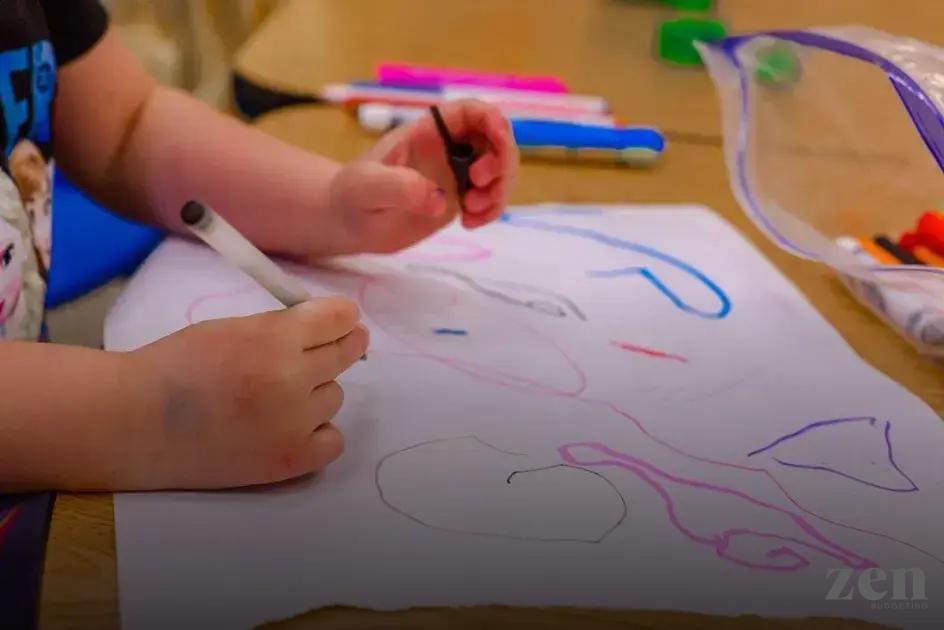
Creating DIY Paper Plate Masks is a fun and easy art project that allows preschoolers to explore their creativity. Using simple materials, children can transform ordinary paper plates into imaginative masks.
Start by gathering plain paper plates. These are the perfect base for mask-making due to their shape and durability. Preschoolers can paint or color them with crayons, markers, or watercolor paints.
Encourage children to think about what kind of mask they want to create. It could be an animal, a character from their favorite story, or even a quirky monster. Let them draw or paint the features directly on the plate. They can use colorful paints and add patterns or textures with different brush strokes.
Add details to bring the masks to life. Feathers, pieces of yarn, and glitter make great decorations. Help children cut out eye holes for easy wear. Attach a popsicle stick to the bottom of the plate to create a handle, or punch holes in the sides and use string to tie the mask around the head.
This art activity not only enhances their artistic skills but also boosts imaginative play. Kids can use their masks in pretend play sessions, acting out stories, or inventing their own scenarios.
Nature Collage Creations
Gather natural materials such as leaves, flowers, twigs, and small stones from your backyard or a nearby park. Encourage your preschoolers to explore textures and colors. Allow them to comb through these treasures, choosing their favorites for a captivating collage.
Set up a workstation with a sturdy piece of cardboard or thick paper as the base. Give the kids some glue sticks or liquid glue to manage their masterpieces. Let them arrange the natural items, and help them stick the pieces securely onto the base, leaving some spaces to make the collage visually appealing.
As they work on their nature collage, ask them questions about their choices. You can spark creativity by suggesting they create patterns or shapes, like a sun, house, or landscape. Encourage storytelling by asking what their artwork represents.
Once completed, leave their creations to dry. You can help them frame their art or display it somewhere in the house where everyone can appreciate it. This activity not only enhances their creativity but also allows them to learn about nature and practice fine motor skills.
Simple Finger Painting Fun
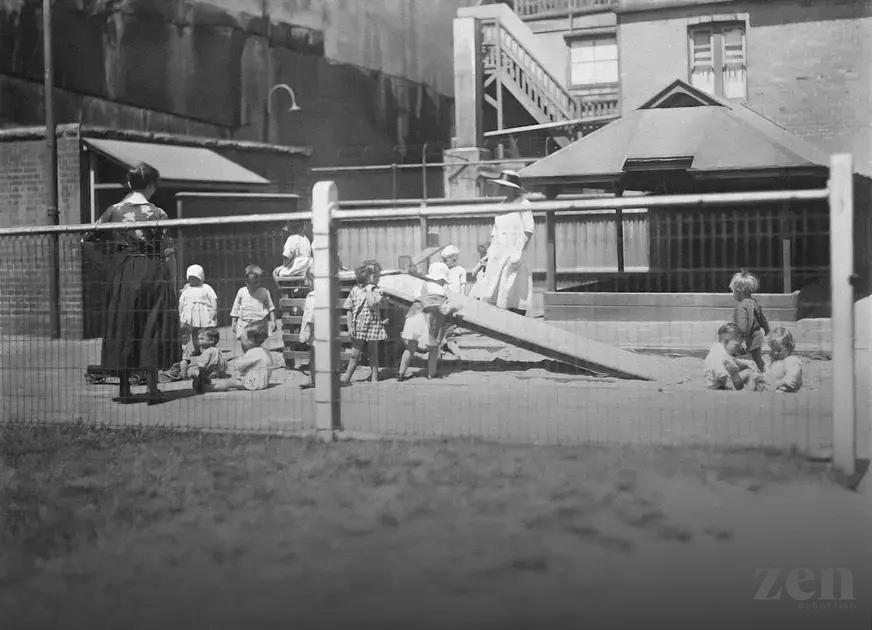
Finger painting is one of the simplest and most enjoyable art activities for preschoolers. Using just fingers and paint, children can create vibrant and expressive art without the need for brushes or other tools. It’s as easy as it sounds: squeeze some non-toxic finger paint on a plate, and let the kids dip their fingers and start creating on a piece of paper or card stock. The tactile experience is not only fun but also helps in developing fine motor skills and hand-eye coordination.
Encourage creativity by providing different colors and embracing the messiness of the process, which is a part of the fun. Children can experiment with mixing colors directly on the paper, learning about color theory practically and visually.
To enhance the fun, set up theme days where kids can focus on specific subjects, such as painting landscapes, abstract art, or even patterns. You can easily integrate educational themes, such as painting numbers or letters, which can be both educational and entertaining. Display their artwork around the home to boost confidence and create a sense of achievement. Finger painting offers endless possibilities and is perfect for rainy days or anytime fun.
Cardboard Box Sculptures
Using cardboard boxes, you can create engaging and imaginative sculptures that are perfect for preschoolers. With just some basic supplies like glue, scissors, and paint, children can transform plain cardboard into three-dimensional masterpieces.
Start by gathering various sizes of cardboard boxes. Let children envision what they want to create, whether it’s a friendly animal, a tall building, or an abstract shape. Encourage them to sketch their ideas first. Cut out shapes and use them as the building blocks to construct the sculpture.
To connect the pieces, use child-safe glue or tape. Once the basic structure is ready, it’s time for some colorful artistry! Let kids paint their sculptures in vibrant shades, adding patterns or details for extra flair.
Remember, cardboard box sculptures are not just about the end product; it’s about the creative process. Children develop their motor skills, learn spatial awareness, and get a chance to express opinions and ideas. Encourage them to narrate stories about their sculptures to further boost their imagination and language skills.
This activity not only recycles materials but also fosters a fun learning environment for young minds, making it a win-win for both kids and caregivers.

 Gardening with Kids: Growing Curiosity and Fun Together
  Using Car Rides for Counting and Language Games
  Grocery Store Adventures: Turning Shopping into Fun Learning