
Creating a flexible homeschool routine for preschoolers can be both exciting and challenging. It’s important to understand your child’s learning style to tailor your approach effectively. By setting clear goals and incorporating playful learning methods, you can nurture your child’s educational journey while keeping it fun and engaging. Whether you’re defining daily schedules or evaluating progress, flexibility remains key.
Understand Your Child’s Learning Style
To create a flexible homeschool routine for your preschooler, it’s important to start by understanding their unique learning style. Each child learns differently, and by tailoring your approach, you can make learning more effective and enjoyable.
Visual learners benefit from seeing information in the form of pictures, charts, and videos. Incorporate colorful flashcards, stories with illustrations, or educational videos into their daily activities. This approach can help them process information more effectively.
Auditory learners thrive when they can hear information. For these children, it’s beneficial to include songs, rhymes, stories, and discussions. You might consider reading stories aloud or using music to teach concepts like the alphabet or numbers.
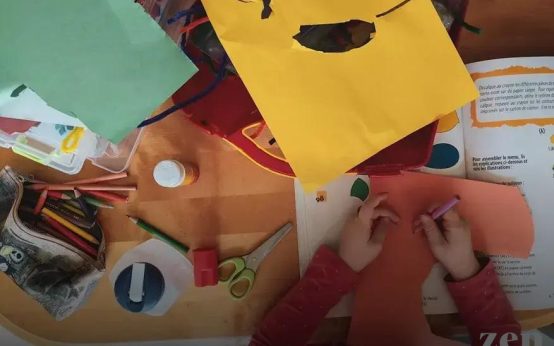
For kinesthetic learners, who prefer learning through movement and touch, incorporate activities that involve physical action. This can include building blocks, crafts, or interactive games that require them to move and manipulate objects.
Observing your child’s reactions to different learning activities can give you insights into which style they prefer. A combination of these styles can also be effective as it provides variety and keeps your child engaged.
As you craft your homeschool routine, remember to be flexible and patient. The goal is to build a schedule that resonates with your child and adapts to their evolving needs.
Set Clear Goals and Objectives
An essential aspect of creating a flexible homeschool routine for preschoolers is to set clear goals and objectives. Establish what you hope to achieve with your child’s education in both the short and long term. Consider developing a list of key skills and milestones that are appropriate for their age and learning level.
Identify areas such as language development, basic math skills, and social interaction, and prioritize them according to your child’s needs and interests. By outlining these objectives, you can create a structured approach that still allows for flexibility and adaptation.
Evaluate your child’s current abilities and interests to tailor the goals specifically to them, ensuring the objectives are attainable and motivating. Break larger goals into smaller, manageable tasks which can help maintain focus and track progress effectively. Remember to involve your child in the goal-setting process to increase engagement and enjoyment in reaching their educational milestones.
Define a Flexible Daily Schedule
When constructing a flexible daily schedule for your preschooler’s homeschool routine, it’s important to maintain a balance between structure and flexibility. Start by identifying key activities and routines that need to take place every day, such as meals, nap times, and circle times. These core activities create a strong foundation for your schedule.
Allocate specific time blocks for various types of learning activities, being mindful to
integrate different learning styles
. For example, dedicate some morning time for active learning through play and movement. This might include outdoor play or exercise that helps preschoolers release energy and enhances their physical development.
Following the active period, transition into storytime or quiet reading to foster literacy skills and imagination. Allow flexibility within these blocks so that if a particular activity catches your child’s interest, you can delve deeper into it. Alternatively, if they seem disinterested, you can smoothly adjust to another task. Use creative arts during mid-morning or early afternoon, providing opportunities for expression through drawing, painting, or crafting, which are essential for fine motor skills and creativity development.
Incorporate themed activities based on your child’s interests, as this can enhance engagement and make learning more enjoyable. Be open to spontaneous learning moments that arise naturally during the day, whether they’re driven by a question your child has or an opportunity to explore the world around them in real-time. Allocate time for hands-on activities, such as simple science experiments or cooking, which can offer practical learning experiences. Regularly assess how these activities fit into your flexible schedule and adjust when necessary, ensuring that the homeschooling experience is enriching and responsive to your child’s needs.
Incorporate Play and Hands-On Activities
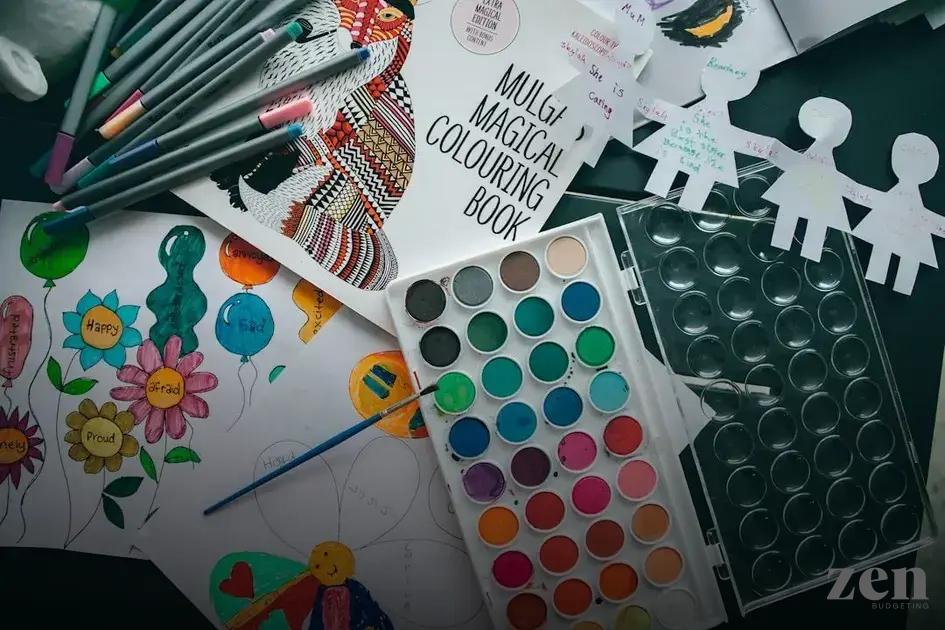
Integrate various play and hands-on activities into your preschool homeschooling routine to create a rich and engaging learning experience for your child. Children at this age learn best through play, which supports cognitive, physical, and social development.
Design activities that cater to different learning styles, such as visual, auditory, and kinesthetic. Utilize art projects, music sessions, and physical exercises to keep the learning environment stimulating and dynamic.
Setting up a daily schedule that includes time for both guided and free play allows children to explore and develop their creativity. Offer opportunities for
self-directed learning
, where children can choose activities that interest them, fostering independence and decision-making skills.
Incorporate educational games and interactive tools that teach basic concepts like colors, numbers, and letters in a fun way. Use resources like building blocks, puzzles, and crafts to boost problem-solving skills and fine motor development.
Introducing simple science experiments and nature walks can enhance their curiosity about the world. Let children ask questions and explore answers through discovery and experimentation, building critical thinking skills.
Evaluate and Adjust Your Routine Regularly
Adaptability is indeed a crucial element in managing a homeschool routine effectively. Routines should not be static; instead, they should evolve to meet the changing needs of your preschooler. Regularly assessing your current schedule is key. Ask yourself: Is it working for both you and your child? Are there specific activities that are being enthusiastically received or any that are causing friction?
Observe and note how your child responds to different parts of the routine. For instance, are they more engaged during morning activities rather than afternoons, or do they show enthusiasm for certain subjects but less interest in others? Understanding these patterns can help you tweak the schedule to better align with their natural rhythms and interests.
Weekly or bi-weekly evaluations of the routine can significantly benefit its effectiveness. Use this time to either introduce new materials or alternate the types of activities depending on your observations. Maintain a balance between structure and flexibility and be open to trial and error. No schedule is perfect initially, but regularly fine-tuning the plan ensures it remains beneficial and engaging for your preschooler.
Involve your child
when adjusting the routine. They might have preferences or ideas about particular activities or timing. This involvement empowers them and fosters a sense of responsibility toward their learning.
In conclusion, guiding your preschooler through a flexible homeschool routine involves continuous adjustment and empathy. Through observation and openness to change, you can craft a learning experience that adapts to your child’s growth and curiosity.

 Gardening with Kids: Growing Curiosity and Fun Together
  Using Car Rides for Counting and Language Games
  Grocery Store Adventures: Turning Shopping into Fun Learning