

Developing fine motor skills is crucial for young children, and learning to use scissors is an exciting part of that journey. With the right fun ways to practice cutting with scissors, kids can hone their skills while enjoying themselves. In the following sections, discover creative activities, essential safety tips, and detailed step-by-step exercises that will make cutting practice a beloved weekly activity.
Creative Cutting Activities
Creative cutting activities can turn the simple act of using scissors into an exciting adventure for children. By incorporating a variety of materials and challenging tasks, kids can develop their scissor skills in a playful environment. Here are some ideas to spark creativity and encourage practice:
Design Your Dream Garden
Provide kids with colored paper, magazines, and safe scissors. Encourage them to create their dream garden by cutting out flowers, trees, and other garden elements. This activity helps improve precision and coordination as they snip along the lines.
Paper Plate Animals
Using paper plates and construction paper, kids can cut and glue pieces to craft animals. Inspire them to make everything from lions to peacocks. Cutting out shapes for ears, tails, and other features builds hand strength and fine motor skills.
Storyboard Collage
Let children invent a story by cutting pictures from old magazines or printouts to create a collage. This activity not only sharpens cutting skills but also enhances creativity and storytelling abilities.
To add an element of surprise, challenge kids to cut shapes with their eyes closed or with their non-dominant hand. These variations test ability and promote flexibility in handling scissors. By embedding creativity in cutting tasks, we provide engaging ways for children to develop essential skills while having fun.
Safety Tips for Young Cutters
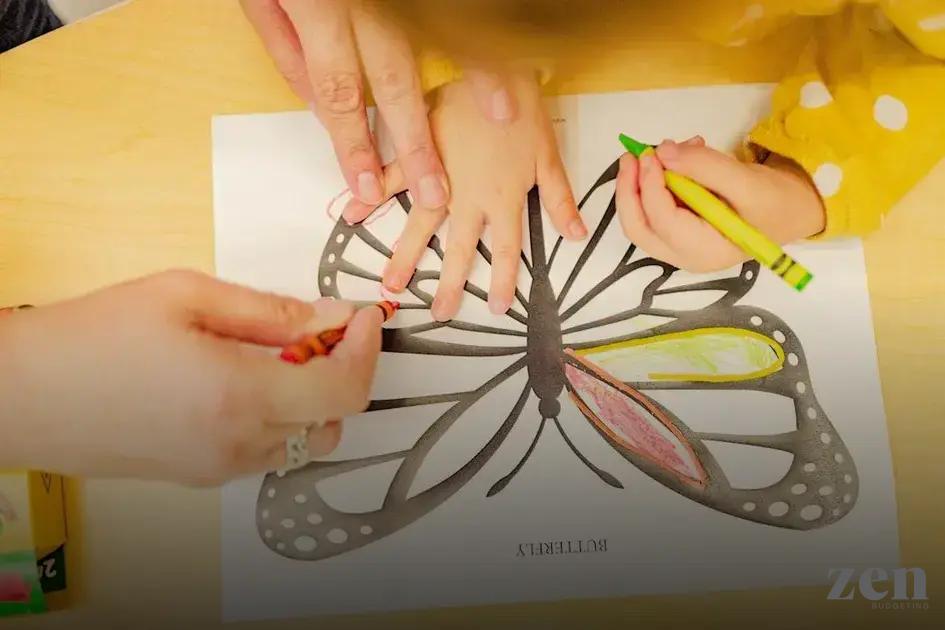
Always Supervise: Young children should always be supervised when using scissors. Make sure that an adult is present to guide them through the process safely.
Use Child-Friendly Scissors: Provide scissors that are designed specifically for young users. These should have rounded edges and easy-grip handles to prevent accidents.
Teach the Proper Grip: Show children how to hold the scissors correctly. Their thumb should go into the smaller hole, and the middle and index fingers should go into the larger one. This will help them cut more effectively and safely.
Set Clear Rules: Establish basic rules for scissor usage. Explain why it’s important to not run with scissors, to pass them handle-first, and to only use them at a specific area.
Practice Safe Cutting Habits: Encourage kids to cut on appropriate surfaces and to always keep the paper steady. Make sure they cut away from their body to avoid accidents.
Storing Scissors Safely: Teach children to store scissors properly after use. A specific drawer or container is ideal to keep them out of reach when not in use.
Reinforce these safety tips during every cutting activity to instill good habits and ensure that the practice is both fun and harm-free.
Essential Scissor Skills
Developing essential scissor skills is a vital part of a child’s motor skill development. Teaching children how to properly use scissors can enhance their fine motor skills, hand-eye coordination, and concentration. When children learn to cut with scissors, they undergo a multifaceted learning process that strengthens various muscles and neurological pathways.
Begin by introducing children to activities that require opening and closing the hand, as this mimics the motion needed for cutting. Provide opportunities for them to squeeze playdough or use tongs to pick up objects.
Once they have mastered this, introduce scissors with blades that are safe and appropriate for their age. Blunt scissors are great for beginners as they give children confidence without the risk of cutting themselves. Encourage them to practice on easy-to-cut materials, like paper or fabric scraps with pre-drawn lines.
Gradually introduce more complex tasks—such as cutting along curves and zigzag lines—to improve their precision. Always ensure they have a proper grip by instructing them to place their thumb in the smaller hole on top, while the middle finger and index finger control the bottom loop.
Be patient and offer plenty of positive reinforcement to help build their confidence. As their skills improve, integrate cutting activities into creative projects. For example, creating collages from magazines or cutting out snowflakes from folded paper can make practicing these skills enjoyable and rewarding.
Incorporate fun and engaging challenges to sustain their interest, like cutting along a spiral to make springs or forming paper chains. These activities not only make learning to cut with scissors exciting but also effectively develop finger strength and dexterity.
Materials Needed for Fun Cutting

To embark on this journey of fun cutting activities, it’s essential to gather all the necessary materials that will spark creativity and engagement. Begin with a good pair of safety scissors. These are designed with a rounded tip to ensure that children can cut safely without the risk of accidents.
Construction paper is another important material as it is both colorful and versatile. Its thickness makes it perfect for children still honing their cutting skills, allowing for easy handling. Patterned paper also adds an element of excitement by offering variety and more aesthetically pleasing results.
In addition, you will need some glue sticks. Once the shapes are cut out, children can use glue to create collages, thereby improving their motor skills further.
For young artists who want to go beyond paper, try including materials such as ribbons, felt, or even pipe cleaners. These materials challenge skill levels while providing a different tactile experience. When children begin to cut through these items, they practice precision and improve hand-eye coordination.
Finally, always have a few markers or colored pencils on hand. After cutting, decorating those pieces can be just as fun and rewarding!
Step-by-Step Scissor Exercises
- Warm-up Exercises: Before diving into cutting, have your child perform simple hand and finger movements to get ready. Encourage them to open and close their scissors without any paper, focusing on improving their grip and control. This helps them get accustomed to the scissors’ motion.
- Basic Cutting Lines: Start with straightforward lines. Draw straight, zigzag, or curved lines on a sheet and let them cut along these patterns. This enhances precision and coordination. Use colored paper for a more engaging experience.
- Shape Cutting: Progress to shapes like squares, triangles, and circles. This step tests their ability to handle corners and curves, refining their scissor maneuvering skills. You can draw the shapes or use pre-printed templates.
- Patterned Projects: Introduce projects like creating paper chains or cutting out shapes for a collage. These activities not only improve their cutting skills but also spark creativity and imagination.
- Cutting in Layers: Provide multiple sheets of different colors and encourage them to cut through them simultaneously. This tactic teaches them to handle thicker materials and requires increased hand strength.
- Complex Craft Work: Once they are comfortable, move to more intricate patterns, like snowflakes or themed decorations. These exercises demand focus and accuracy, further advancing their cutting capabilities.

 Gardening with Kids: Growing Curiosity and Fun Together
  Using Car Rides for Counting and Language Games
  Grocery Store Adventures: Turning Shopping into Fun Learning