
Gratitude jars are an excellent tool for building emotional awareness and enhancing your daily life. By regularly reflecting on things you are grateful for, you focus on positive aspects, which can improve emotional well-being. In this article, we’ll explore the impact of gratitude jars and provide steps to integrate this simple practice into your routine. Let’s dive in and discover how a gratitude jar can contribute to your emotional health and happiness.
Why Use a Gratitude Jar?
Gratitude jars can be a simple and effective tool for building emotional awareness. They offer a tangible way to express and reflect on gratitude regularly. By routinely adding notes of appreciation, you become more aware of the positive aspects of your life and those around you.
Mindfulness and Presence: Each time you write down a moment of gratitude, you pause and become more mindful. This practice encourages you to live in the present rather than dwelling on the past or worrying about the future.
Enhancing Positivity: With each note, you’re actively focusing on positive experiences, which can boost your mood and overall outlook. A gratitude jar acts as a visual reminder of the positivity in your life, especially during challenging times.
Building a Resilience Bank: Regular practice of gratitude helps to build emotional resilience. It creates a ‘bank’ of positive memories and emotions that you can draw from during difficult times. By being consistently reminded of what you are thankful for, dealing with stress and adversity can become easier.
Additionally, gratitude jars can foster deeper emotional connections with others. Sharing your jar with friends or family members opens up opportunities for meaningful discussions about what each person values. This shared practice can improve relationships and create a supportive community atmosphere.
Using a gratitude jar doesn’t require any special skills or a significant time commitment. It’s a simple practice that everyone can incorporate into their daily life. With just a few minutes a day, you can reap significant emotional benefits and cultivate a habit of appreciation.
Steps to Create Your Own Gratitude Jar
- Select Your Jar: Choose a container that resonates with you. It could be a simple glass jar, a decorated canister, or even a box. Make sure it’s something you’ll enjoy looking at every day.
- Gather Your Supplies: You will need paper and a pen. Consider using colored paper or small sticky notes to make it more visually appealing. You might also want to have some decorations ready, such as stickers or markers.
-
Decorate Your Jar
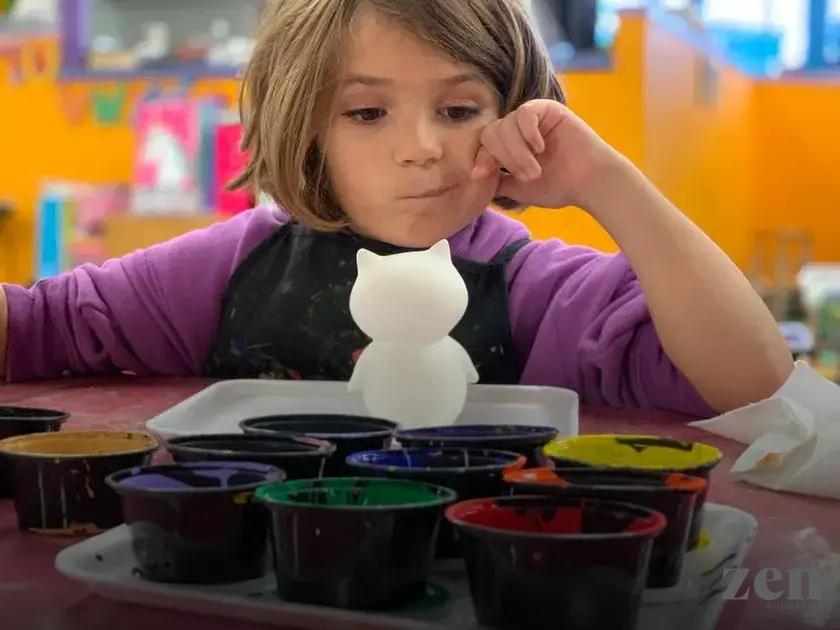
: Turn this into a creative exercise. Decorate your jar with words, drawings, or anything that reflects your personal style and makes the jar inviting to use.
- Begin Writing: Start by writing down one thing you are grateful for. Keep it simple. It could be something as small as enjoying a good meal or as significant as a meaningful conversation with a friend.
-
Make it a Habit
: Commit to adding a note to your jar every day or week. Set a routine that fits into your daily life, making sure it’s a joyful task, not a chore.
- Reflect on Your Journey: Regularly go through the notes. This will help reinforce your gratitude practice and allow you to see how much you have to be thankful for over time.
-
Share the Experience
: Encourage family members or friends to join you. Sharing gratitude can strengthen relationships and create a supportive environment.
The Emotional Benefits of Practicing Gratitude
Expressions of gratitude can have profound impacts on our emotional health. Engaging with gratitude helps individuals nurture a positive outlook on life. When we actively recognize and appreciate the positive aspects of our lives, we experience a lift in spirit, which can counter negative thoughts and emotions.
Practicing gratitude often leads to heightened happiness and satisfaction. By taking the time to focus on the good, individuals cultivate feelings of contentment and well-being. This practice helps in reducing stress and anxiety, allowing a person to approach challenges with a calmer, more collected mindset.
Moreover, gratitude fosters empathy and strengthens relationships. When we acknowledge the kindness and generosity we receive, it reinforces our connections. This focus on positive interactions promotes compassion and understanding, leading to more meaningful and fulfilling relationships.
Consistently incorporating gratitude into one’s life can enhance emotional resilience. Facing setbacks with a grateful heart can help individuals bounce back more effectively. By shifting attention from negative experiences to things they are thankful for, individuals build emotional strength and adaptability.
In essence, regular gratitude practice keeps individuals emotionally balanced and more connected to the present moment, providing a healthier mental state over time.
Incorporating Gratitude into Daily Routines
Integrating gratitude into your daily routines can significantly impact your emotional well-being and perspective on life. By making gratitude a regular part of your day, life becomes more enriched and fulfilling.
Start with Morning Reflections
Begin each day by taking a moment to reflect on what you are thankful for. This can be as simple as appreciating a good night’s sleep, a warm cup of coffee, or the support of loved ones. Starting your day with gratitude sets a positive tone that can last throughout the day.
Mindful Meal Times
During meals, take a few moments to acknowledge the effort that went into growing, preparing, and cooking the food. Express thankfulness for the nourishment it provides. This can be done individually, or shared with family and friends, creating a communal sense of mindfulness and connection.
Evening Gratitude Rituals
End each day with a personal gratitude reflection. Before bed, list three things that happened today for which you are grateful. This practice helps you focus on the positive aspects of your day and fosters a sense of contentment and peace before you sleep.
Incorporating gratitude doesn’t require significant time investments; rather, it’s about finding moments in your daily routine to focus on appreciation and thankfulness. Over time, these small practices can lead to increased emotional awareness and a deeper sense of gratitude in life.
Stories of Transformation with Gratitude Jars
Many individuals have turned to gratitude jars as a simple yet powerful tool for fostering emotional well-being. These jars serve as a tangible reminder of the positive aspects of life, encouraging users to focus on gratitude.
One of the most impactful transformations arises when individuals begin to see the cumulative effect of their gratitude practice. For example, people have reported feeling more positive and optimistic after consistently adding notes to their jars. Over time, the act of recording moments of thankfulness becomes second nature, further enhancing emotional resilience.
The stories of transformation often highlight a shift in perspective. As participants regularly engage with their gratitude jars, they begin to notice subtle changes in their behavior and attitude. Some might develop better interpersonal relationships as they appreciate others more, while others might experience an increased inner calm.
An inspiring story features a family who used a communal gratitude jar. They found that sharing moments of gratitude brought them closer together, fostering a healthier family dynamic. This shared activity encouraged open communication and mutual appreciation.
An individual who struggled with anxiety found solace in her gratitude jar. By focusing each day on something she was thankful for, she gradually learned to manage her anxiety better. This practice boosted her emotional awareness and provided a positive coping mechanism.
Gratitude jars can act as a catalyst for change by helping people recognize the good in their lives, which might otherwise go unnoticed. Through the collection of personal gratitude notes, users often experience a more profound connection to their emotions and an enhanced sense of fulfillment.

 Gardening with Kids: Growing Curiosity and Fun Together
  Using Car Rides for Counting and Language Games
  Grocery Store Adventures: Turning Shopping into Fun Learning