

Setting up a mini learning station at home can significantly enhance your child’s educational experience and foster a love for learning. By carefully choosing the right space, gathering essential materials, and personalizing the environment, you create a space conducive to focus and creativity. Discover how technology can aid in this process and learn valuable tips for maintaining an organized, efficient station that meets your child’s unique needs.
Choosing the Right Space
When it comes to setting up a mini learning station at home, choosing the right space is a crucial step. Look for a quiet corner where distractions are minimal, allowing for better concentration and focus. Consider the lighting in the area; natural light is ideal, but if that’s not possible, ensure there’s ample artificial light to avoid eye strain. The space should have enough room for a desk or table, along with a comfortable chair to foster a positive learning posture.
Keep in mind the proximity of this space to essential resources. It should be close enough to outlets for charging devices and have easy access to necessary materials like books and stationery. You might also want to select a spot that’s close to adult supervision, allowing for guidance when needed without being directly in the way.
Additionally, think about potential noise levels. Is the kitchen nearby with constant chatter or dishes clattering? Find a balance between central location and seclusion to maximize productivity without isolation. When setting up, let the young learner personalize the area slightly, contributing to a sense of ownership and pride in their learning environment. With these factors in mind, you will create a conducive space that can significantly impact productivity and educational success.
Essential Materials for Learning
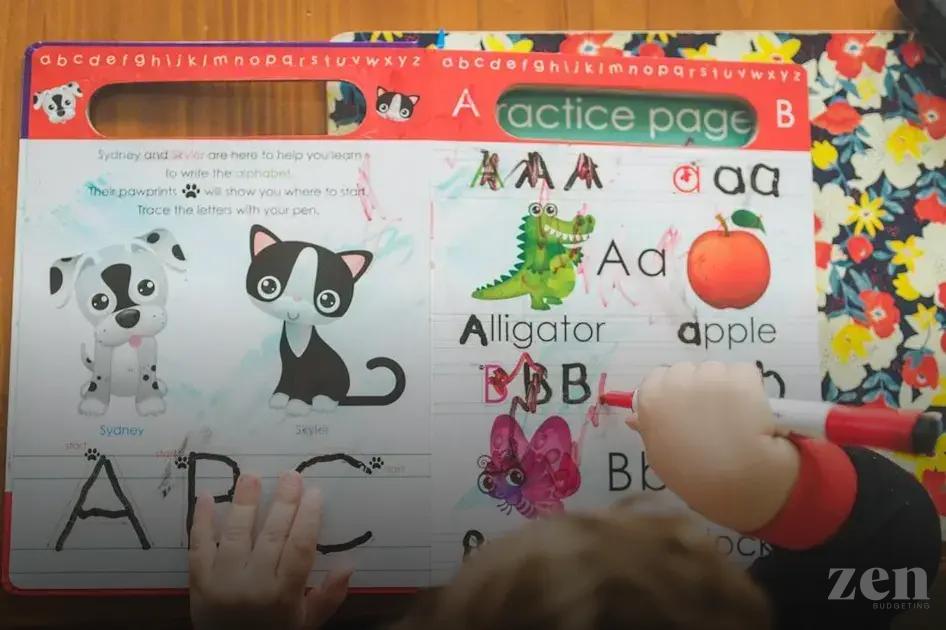
To set up a successful mini learning station at home, certain essential materials are required to create a conducive environment for learning. These materials not only make learning more accessible but also ensure that activities are engaging and productive.
Writing Supplies
Ensure you have a variety of writing tools such as pencils, pens, and markers. Having colorful markers helps in organizing notes and making important points stand out.
Notebooks and Paper
Provide notebooks for different subjects to keep notes organized. Stock up on lined paper for assignments and plain paper for creative projects.
Reference Books
Include dictionaries, thesauruses, and encyclopedias. Although much information is available online, having physical copies can be more accessible during study sessions.
Storage Solutions
Utilize folders and binders to keep notes and workbooks tidy. Use trays and organizers to store small items like paper clips, erasers, and scissors.
Visual Aids
Incorporate educational posters, charts, and flashcards to reinforce learning visually. These aids are particularly useful for younger learners.
Whiteboard and Markers
A whiteboard offers a reusable space for working out problems or jotting down reminders. It’s also great for quick brainstorming sessions.
Art Supplies
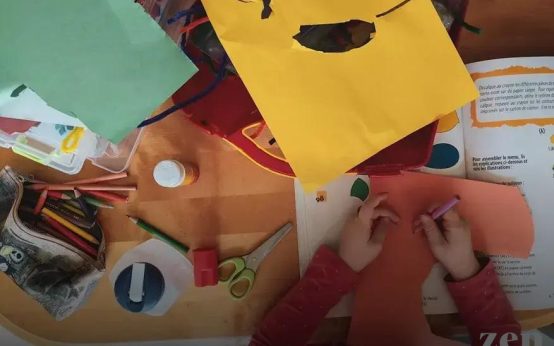
Encourage creativity with colored pencils, paints, and clay. Arts and crafts can complement traditional learning by enhancing motor skills and creativity.
Comfortable Seating
A good chair and desk are essential for maintaining proper posture, especially during extended study sessions. Ensure these are adjusted to the learner’s size.
By carefully selecting essential materials, you craft an environment that’s not only effective for learning but also fosters curiosity and creativity. These tools lay the groundwork for a successful and engaging learning experience at home.
Incorporating Technology
Technology can play a crucial role in making a mini learning station more engaging and effective. Start by including a device like a tablet or computer that can access the internet. This allows the student to take advantage of educational apps and online resources. Make sure the device is placed in a way that minimizes distractions, prioritizing apps and websites that enhance learning.
Using Educational Software can bring an interactive element to learning. Programs that offer interactive lessons, quizzes, and activities can supplement traditional learning methods. Look for software that covers a wide range of subjects to keep the learning experience diverse.
Consider adding a set of headphones to minimize noise and help concentration. Ensure Internet Safety by setting up child-friendly browsing settings.
Supporting Digital Creativity is also essential. Encourage using technology to create digital art or music, or to engage in simple coding exercises. Platforms focused on creativity can spark interest and make learning fun.
Tracking Progress can be streamlined by technology, as well. Use apps or online platforms that help chart progress and understand areas that need improvement. This approach can make learning more personalized and responsive to the student’s needs.
Personalizing the Learning Environment

To foster a truly effective learning experience at home, customizing the learning environment is key. Each child has unique preferences and needs, and tailoring their space can significantly enhance their engagement and productivity. Consider your child’s interests and learning styles when setting up their mini learning station.
Start by allowing your child to choose decorative elements that resonate with them. Whether it’s colorful posters, artwork, or personal achievements, these elements can make the space feel inviting and inspiring. Encourage them to add personal touches like a favorite chair cushion or a particular plant to create a comforting atmosphere.
Another important aspect is to incorporate flexible furniture that adapts to different activities, like a desk with adjustable height or movable partitions. This flexibility enables the child to change their environment as needed, say for reading comfortably or doing creative projects.
Customize their storage solutions, too, by using colored bins or shelves that they can label and organize. This enhances their sense of responsibility and makes it easier for them to find and store their materials. Consider integrating both open and closed storage options to minimize clutter while still keeping frequently used items accessible.
Overall,
personalizing your child’s learning environment
goes beyond aesthetics. It involves creating a space that mirrors their personality while ensuring functionality and comfort, ultimately supporting their educational journey in a fulfilling and enjoyable way.
Maintaining an Organized Station
Keeping a neat and organized learning station is crucial for maintaining focus and promoting effective study habits. Begin by categorizing materials into easily identifiable sections or bins. For instance, you can use separate containers for art supplies, notebooks, and writing utensils. Labeling these containers ensures everything has its dedicated spot, making it easier for your child to find what they need.
Use a filing system for papers and assignments to prevent clutter. File incoming worksheets and completed assignments immediately to maintain a tidy workspace. Having a calendar or a planner displayed in the station can help track assignments and deadlines, fostering time management skills.
Additionally, teaching children the habit of daily cleanup can instill a sense of responsibility. Encourage them to spend a few minutes at the end of each study session to return items to their respective places and to remove unnecessary clutter like used papers or snack wrappers.
Using a combination of open shelves and drawers can also play a part in organization. Open shelves can store items used frequently within arm’s reach, while drawers can conceal less appealing, yet necessary, items without adding to visible clutter.
Finally, inspire creativity in organizing by letting your child choose some elements themselves, such as the colors of the bins or placement of certain items. This sense of ownership can motivate them to keep the learning station orderly.

 Gardening with Kids: Growing Curiosity and Fun Together
  Using Car Rides for Counting and Language Games
  Grocery Store Adventures: Turning Shopping into Fun Learning