
Introducing mindfulness to preschoolers is a fantastic way to help them develop focus and calmness. Simple mindfulness activities for preschoolers can be both fun and educational, guiding them to understand their emotions and surroundings better. These activities, like breathing exercises and mindful listening, engage children’s senses and promote a peaceful environment. By incorporating mindfulness into daily routines, preschoolers can learn vital emotional regulation skills.
What is Mindfulness for Young Children?
Mindfulness is more than just a trendy word. For young children, it means helping them stay present in the moment. Mindfulness activities teach kids to pay full attention to their feelings and surroundings. This practice can be especially valuable for preschoolers, who often live in a whirlwind of thoughts and emotions.
Teaching mindfulness involves combining simple techniques with a child’s daily activities. By doing so, young children learn how to focus better and react calmly to different situations. In mindfulness, children are encouraged to notice their breath, sensations, and thoughts without judgment. This can lead to enhanced emotional regulation as they grow.
Integrating mindfulness in early childhood can lay the foundation for long-term mental well-being. Children can develop a skill that acts as an anchor in the midst of chaos. In addition, engaging children in mindfulness encourages them to take responsibility for their feelings and helps them communicate more effectively.
Easy Breathing Exercises
Easy Breathing Exercises can be a crucial part of introducing mindfulness to preschoolers. These exercises help children focus on their breath, which can aid in reducing anxiety and promoting relaxation.
Start with the belly breathing technique where children sit or lie down comfortably. Ask them to place one hand on their tummy and the other on their chest. As they breathe in deeply through their nose, encourage them to notice how their belly expands. As they breathe out through their mouth, they should observe their belly return to normal. This exercise can be repeated several times, each time guiding them to concentrate solely on the movement of their tummy.
Another simple exercise is square breathing. Instruct the children to imagine a square. As they breathe in, they should count to four in their head while tracing one side of the square in the air. Holding their breath for another four counts, they trace the second side. Exhaling for four counts, they follow the third side, and then holding again for four counts along the final side completes the square. This helps preschoolers focus on steady breathing patterns.
Introducing these exercises in a playful manner can hold their attention better. For instance, pretending to blow up a balloon while inhaling deeply and then slowly ‘deflating’ it while exhaling reinforces controlled breathing.
Making it a part of their routine ensures it becomes a natural habit for them over time, enhancing their ability to calm themselves when necessary.
Mindful Listening with Nature Sounds
Listening to nature sounds can be a profound way to practice mindfulness with preschoolers. By focusing their attention on the gentle sounds of rustling leaves, chirping birds, or a flowing stream, children learn to engage in present-moment awareness without distraction.
Simple Steps for Mindful Listening
Begin by finding a quiet, outdoor space or use recordings of nature sounds. Encourage children to sit comfortably and close their eyes. Guide them in noticing the different layers of sounds. Ask questions like, “Can you hear the wind?” or, “How many different bird songs do you notice?” This exercise helps enhance their awareness and fosters calmness. Benefits of Nature Sounds Exposure to natural sounds not only cultivates mindfulness but also reduces stress and relaxes the mind. It nurtures a connection with nature and promotes a peaceful mindset, helping preschoolers feel grounded and focused. Engaging in mindful listening with nature sounds complements other activities within the simple mindfulness approach, facilitating a balanced and resilient mental state in young children.
Creating a Peaceful Mindful Space

Transforming a space specifically for mindfulness can greatly enhance a preschooler’s ability to focus and find calm. Start by choosing a quiet area in your home or classroom where distractions are minimal. Use soft lighting to create a soothing environment. Incorporate natural elements like plants or small water features to bring a touch of nature indoors.
Consider using a comfortable mat or cushion for sitting or lying down. These provide cozy spots for children to relax and engage in mindful activities. Surround this area with calming colors and textures. A gentle blue or green can evoke feelings of tranquility, while soft fabrics invite touch and sensory exploration.
Include simple tools that encourage mindfulness practices. A mind jar, filled with water and glitter, can be used to demonstrate the idea of settling thoughts. When the jar is shaken, the glitter represents busy thoughts, slowly settling as the child watches it. Similarly, having a few musical instruments, like a rain stick or calming bells, can engage preschoolers in mindful listening exercises.
Design a space conducive to practicing mindfulness by ensuring it remains clutter-free. Rotating the items periodically, like books or sensory toys with a peaceful theme, can maintain the child’s interest without overwhelming them.
Finally, encourage children to personalize this space with their own mindful art creations, which can hang on the walls or be placed decoratively. This personalization can make the space feel welcoming and special, inviting preschoolers to spend more time engaging in calm and focus-enhancing activities.
Simple Mindful Art Activities
Art activities can be a wonderful way for preschoolers to connect with their thoughts and feelings. Engaging in simple mindful art activities not only fosters creativity but also helps children focus and find calmness.
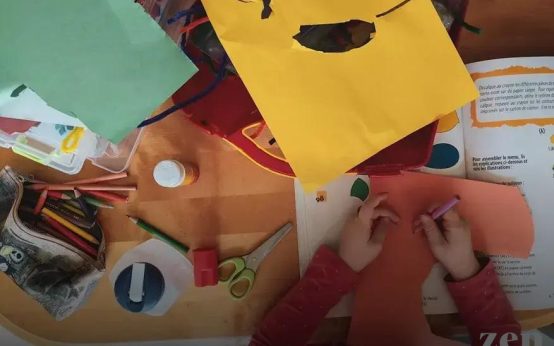
Start by providing a variety of materials like colored pencils, watercolor paints, or even clay. Let the children choose what they feel drawn to at the moment. You might organize activities such as creating a mindful drawing, where children draw their feelings or something they are grateful for. Encourage them to pay attention to the colors and shapes they use, and how drawing makes them feel.
Another effective activity is mindful coloring. Provide simple coloring pages and allow children to color at their own pace. As they color, prompt them to think about the colors they choose and why they like them. Remind them it’s not about making a perfect picture, but about enjoying the process.
Playing with clay can also be a mindful art activity. Children can make shapes or figures of things that they enjoy or feel at peace with. Encourage kids to focus on how the clay feels in their hands and how their ideas take shape. This sensory experience can be both soothing and grounding.
Consider setting up an art station where children can access materials freely whenever they seek some quiet time. This encourages self-directed learning and mindfulness.
These activities not only stimulate children’s creativity but also gently introduce them to mindfulness practices, helping them stay present and engaged.

 Gardening with Kids: Growing Curiosity and Fun Together
  Using Car Rides for Counting and Language Games
  Grocery Store Adventures: Turning Shopping into Fun Learning