

Teaching empathy at home with role play can transform the way children understand and relate to others. Empathy is crucial for building strong, compassionate relationships and can be effectively taught using creative role play scenarios. In this guide, we’ll explore why empathy is important, how role play can effectively nurture it, and provide practical tips for seamless implementation in your family life.
The Importance of Empathy in Child Development
Using Role Play to Teach Empathy involves creating scenarios where children can ‘step into someone else’s shoes’. This helps them understand different perspectives and emotions. For example, you can create a situation where one child is a doctor and another is a patient. Encourage them to express how each might feel in their role. This not only makes learning fun but also ingrains empathy through experience.
Children love to mimic adults, so engage them with activities like pretend play. You can set up simple role-play games at home, such as pretending to be in a grocery store or a classroom. In each scenario, emphasize the feelings of different characters. Ask questions like, “How do you think the teacher feels when students aren’t listening?” This stimulates thoughtful conversation and self-awareness.
Emphasize Communication during role play by teaching active listening skills. When children take turns playing different roles, they learn to listen and respond. Role-playing also teaches them to articulate their thoughts and feelings. For instance, a child playing the role of a friend can practice expressing sympathy: “I’m sorry you’re feeling sad. Can I help you in any way?” This reinforces compassionate communication.
An essential strategy is to Use Observation. Encourage children to watch how peers respond to different situations in role play. Observational learning is powerful; children absorb behaviors and emotional reactions they see. Discuss these observations afterward to help them understand why certain responses are more empathetic or effective than others.
Integrating Everyday Situations into role play can also be beneficial. Reenact scenarios that occur in daily life, such as dealing with a disagreement or helping someone who’s upset. This way, children can practice empathy in a safe environment and learn how to handle real-life emotional challenges.
In summary, Role Play Strategies offer a dynamic way for children to learn empathy. They foster awareness, communication, and the ability to understand and share the feelings of others. By consistently including role-play activities in daily routines, empathy becomes a natural part of a child’s emotional development.
How Role Play Enhances Emotional Intelligence
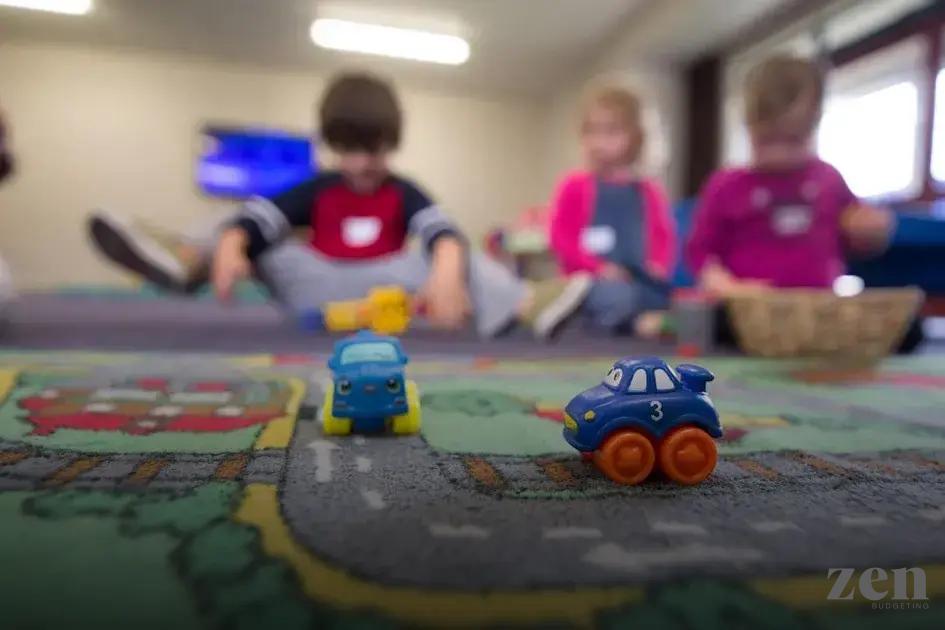
Role play is a powerful tool in developing emotional intelligence in children. By stepping into different roles, children can experience a range of feelings and situations from the perspectives of others. This practice helps them understand complex emotions such as frustration, joy, and empathy itself.
Engaging in role play allows children to practice social skills in a safe and controlled environment. They learn the impact of their words and actions on others, which is a crucial part of emotional intelligence.
It’s essential to create diverse scenarios where children can switch roles and try different perspectives. Parents can facilitate these activities by setting a scene or a story and encouraging their children to act it out.
Through these scenarios, children can recognize their own emotions and learn how to manage them effectively. They can see real-world results of their fictional interactions, helping them to navigate real-life social situations with compassion and understanding.
Parents should guide their children gently, asking questions like ‘How do you think that character feels?’ or ‘What could they do differently?’ This encourages deeper thinking about emotions and responses.
By repeating role play activities, kids can solidify their learning and apply these empathetic skills outside of their mock settings, developing stronger emotional intelligence over time.
Role play thus becomes an invaluable part of teaching empathy at home, offering children a unique way to build emotional understanding and empathy.
Practical Role Play Scenarios for Families
Role play offers a powerful tool for families to instill empathy. By creating scenarios that reflect real-life situations, families can explore feelings, emotions, and reactions in a safe environment. This practice helps children understand different perspectives and encourages compassionate responses.
Scenario 1: A Friend in Need
Create a simple scene where one child pretends to be upset because their favorite toy broke. Encourage another child to practice comforting them, offering solutions and empathy. This exercise teaches sympathy and problem-solving skills.
Scenario 2: The Sharing Dilemma
Set up a situation where siblings or family members want to play with the same toy or game. Guide a discussion around taking turns and sharing. This helps develop patience and understanding the importance of cooperation.
Scenario 3: Understanding Differences
Provide a scenario where one family member expresses a different opinion or preference (e.g., favorite activities, food choices). Encourage a discussion to appreciate diversity and acceptance, fostering respect for differing views.
Scenario 4: Handling Disappointment
Role play a situation where a child doesn’t get their way, such as not being able to visit a friend. Guide them to express their feelings and brainstorm positive ways to cope, promoting emotional resilience.
Scenario 5: Helping Others
Create scenarios where family members can pretend to help someone in need, like assisting an elderly neighbor or a friend at school. Discuss the importance of community and being proactive in offering help.
By integrating these role play activities into family life, children can practice empathy in various contexts, preparing them for real-world encounters. These exercises encourage listening skills, perspective-taking, and emotional regulation, which are critical components of developing a compassionate and empathetic nature.
Tips for Encouraging Empathy Through Role Play
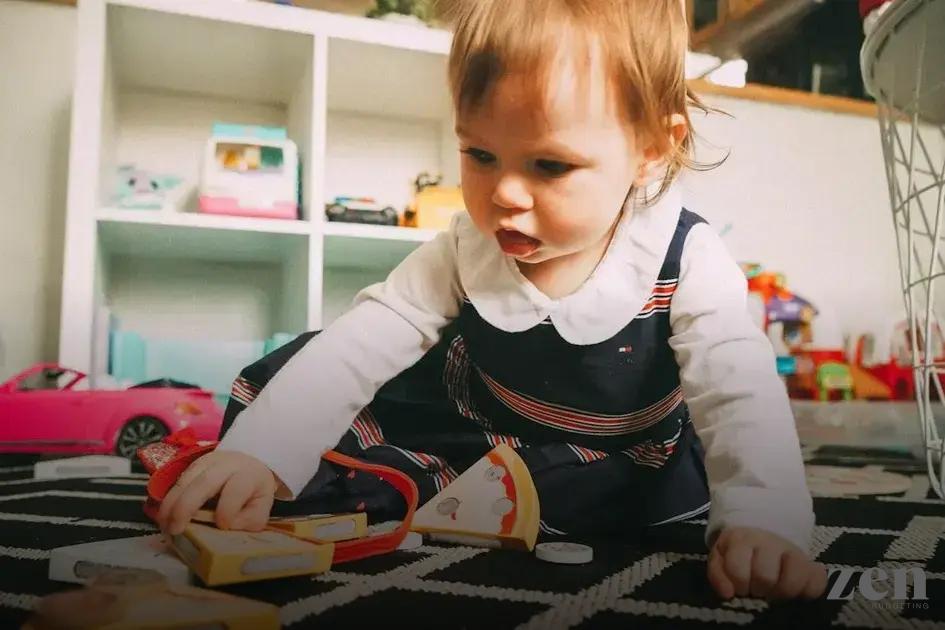
Encouraging empathy in children through role play can be incredibly effective. One useful tip is to choose diverse scenarios that allow children to step into different roles. This can include playing pretend as characters from various cultures, professions, or even different family roles like siblings or parents.
Another helpful strategy is to ask open-ended questions during the role play. Questions like “How do you think this person feels?” or “What would you do in this situation?” encourage children to think deeply about emotions and responses.
Create a safe and supportive environment where children feel comfortable expressing their ideas and emotions. Ensure that there are no right or wrong answers, which helps to foster a sense of acceptance and understanding.
Model empathetic behavior by participating in the role play as well. Show how you would react empathetically in the scenario, which gives children a concrete example to follow.
Finally, encourage children to reflect on their experiences after the role play. Discuss what they learned and how they felt, which helps to solidify the lessons of empathy in their minds.
Measuring the Impact of Role Play on Empathy
Role-playing can be a powerful tool for fostering empathy, especially in a home teaching environment. By immersing children in different roles and perspectives, they can begin to understand and connect with emotions and experiences that are different from their own. But how do we measure the impact of this activity on their capacity for empathy?
One effective way to measure the impact is through observational assessments. Parents can watch how children interact with peers, siblings, and even adults. Are they showing more understanding or patience? Another approach is through feedback sessions, where children express how they felt during the role-play activities and if they could understand the perspectives of the characters they portrayed.
Behavioral changes provide another metric. Monitor whether children exhibit more empathetic behaviors over time, such as sharing, helping others, or showing kindness spontaneously. Collect stories or examples of these behaviors as evidence of growth.
Surveys or questionnaires designed for children can also be a great way to gauge shifts in empathy levels. Simple questions about how they feel when someone is upset or how they would help a friend can provide insights into their empathetic development.
Lastly, parental reflection on their child’s emotional growth can offer valuable insights. Parents may notice shifts in how children react to situations at home or respond to others’ feelings, indicating the success of role-play activities in enhancing empathy.

 Gardening with Kids: Growing Curiosity and Fun Together
  Using Car Rides for Counting and Language Games
  Grocery Store Adventures: Turning Shopping into Fun Learning