

Teaching letter recognition is a fundamental skill that can be taught effectively using everyday objects. By incorporating common items found at home or in the classroom, children can learn letters in a practical and engaging way. It’s essential to tap into the natural curiosity of kids and turn ordinary experiences into educational moments. This method not only makes learning fun but also impactful, ensuring children grasp the concept of letters seamlessly.
Why Everyday Objects Matter
Everyday objects hold a significant role when it comes to teaching letter recognition to children. These objects are familiar to kids, making them an excellent resource for learning. Using everyday items gives practical and tangible examples, bridging the gap between abstract letters and their real-world counterparts.
Visual and Tactile Learning
Kids often learn better through visual and tactile experiences. Everyday objects can be seen, touched, and manipulated, offering a multi-sensory approach to learning that is both engaging and effective. Moreover, incorporating familiar items anchors learning in the child’s daily environment, reinforcing lessons naturally.
Interactive and Fun
Incorporating everyday items in letter recognition is not only educational but also interactive and enjoyable. This approach enhances retention and makes the learning process less monotonic. The excitement of using a favorite toy or a household item adds an element of fun, essential for keeping young learners attentive and motivated throughout the learning process.
Creative Ways to Use Objects

Children often learn best through play and exploration. Everyday objects can be powerful tools in guiding children to recognize letters. Utilize items like fridge magnets, which can be rearranged to form different letters, helping kids connect shapes with their corresponding sounds. You can also use building blocks, which can be labeled with letters on each side. Encourage your child to build towers that spell out simple words or even their name.
Another engaging method is using alphabet cards. These can be scattered around a room, and children can go on a ‘letter hunt’ to collect them in sequence or to form simple words. For a creative twist, create letters out of playdough or use sticks and stones from the backyard to form letter shapes. This tangible approach helps cement the child’s understanding and memory through hands-on activity.
Additionally, try using colorful beads to string together letters, making learning a tactile and visual experience. You might also encourage kids to identify letters in their immediate environment, such as the buttons on a remote control or the letters on clothing labels. This helps them see the relevance of letters in everyday life while enhancing their recognition skills.
Engaging Activities for Kids
- When it comes to teaching children letter recognition, engaging activities are key. Transforming everyday objects into educational tools can be both creative and fun. Kids love hands-on experiences, and using items from around the house can make learning letters exciting and memorable.
- Create a scavenger hunt where children search for objects that start with a specific letter. For instance, challenge them to find an apple, an apron, and an envelope for the letter ‘A’. This activity not only reinforces letter recognition but also expands vocabulary.
- Crafting sessions can also enhance letter learning. Encourage kids to create collages with magazine or newspaper cuttings of letters or objects. This sensory approach allows them to see, touch, and feel the shapes of letters, cementing their understanding.
- Integrate music and rhythm to make learning more interactive. Singing songs or creating chants about the alphabet while pointing out objects that correlate to each letter can turn a simple lesson into an entertaining experience.
- Utilize play-dough to mold out letters or everyday items that start with certain letters. This builds fine motor skills while reinforcing letter shapes and sounds. The malleable nature of play-dough makes it perfect for tactile learners.
- Don’t forget to incorporate technology. Educational videos or apps can be used along with these activities to reinforce concepts and keep children engaged through vibrant visuals and interactive elements.
Tips for Parents and Educators
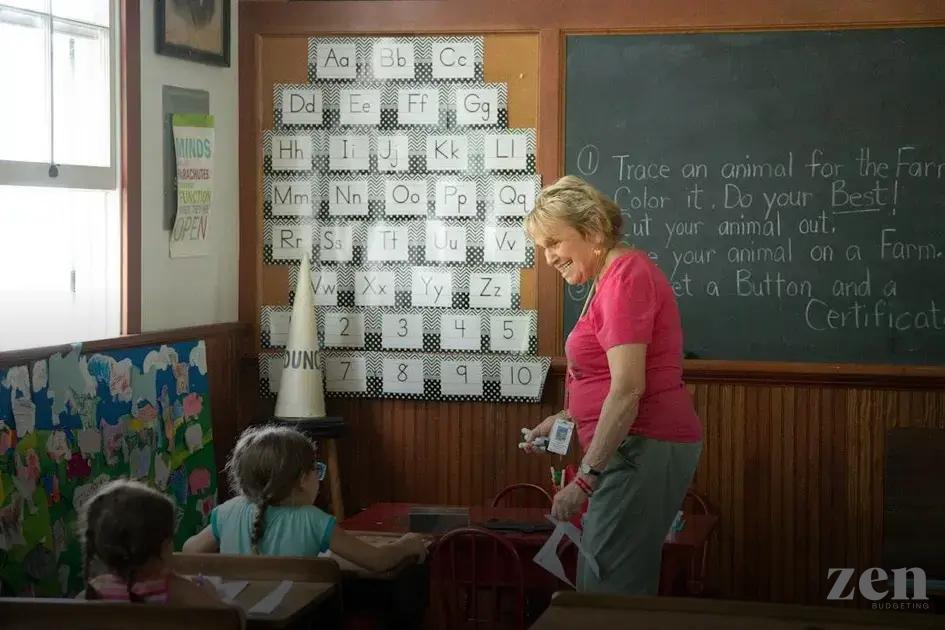
Involving both parents and educators in the process of letter recognition using everyday objects can make learning more effective. Parents can incorporate these practices into daily routines, making education a continuous and fun process outside the traditional classroom settings.
Use everyday situations: Encourage parents to point out letters in street signs, supermarket labels, and digital screens. This helps children relate letters to their real-world environment, deepening their connection with what they learn.
Consistent communication is key. Educators can share weekly updates or quick tips with parents about how to integrate letter learning at home.
Collaborative Projects
Create projects that involve both home and school, like a ‘Letter Hunt Challenge,’ where children find and report letters they see in their neighborhoods.
Regular feedback is crucial. Encourage parents to provide feedback on their child’s engagement with the activities. This will allow educators to tailor future lessons to the needs of the class.
Empowering parents with resources, such as reading lists or apps that focus on letter recognition, enhances the learning experience. Maintaining a partnership between home and school ensures that children receive a well-rounded education, reinforcing the idea that learning is a collective effort.
Tracking Progress Over Time
To ensure effective learning of letter recognition using everyday objects, it is crucial to monitor how children progress over time. Observing and tracking their skills can help tailor activities to their current level and needs.
One way to keep track of progress is to create a chart or simple table to record the letters a child can recognize accurately. This visual representation can be motivating for both children and educators, highlighting achievements and areas needing improvement.
Utilizing Technology
Another powerful approach is leveraging technology. There are various apps and tools available that can assist in logging progress. These digital solutions often provide engaging interfaces that can make learning and tracking appealing to children.
Engagement through Games
Incorporating games into the tracking process can also be highly beneficial. For instance, using letter-themed board games or digital games where children must identify and match letters can both entertain and educate. These games inherently provide a record of progress based on the levels or scores achieved.
Feedback loops, through regular sessions where children share what they have learned, can also be valuable. These discussions allow educators and parents to engage with the child’s understanding of letters, offering immediate and constructive feedback.

 Gardening with Kids: Growing Curiosity and Fun Together
  Using Car Rides for Counting and Language Games
  Grocery Store Adventures: Turning Shopping into Fun Learning